Cold Weather Risks: Preventing November Injuries in Indiana Pets
Cold Weather Risks: Preventing November Injuries in Indiana Pets
As the leaves fall and the chill sets in across Fishers, Indiana, pet owners begin to worry about how November’s changing weather might affect their furry family members. The cold, damp conditions and unpredictable temperature swings can create a host of risks for cats and dogs—ranging from icy slip hazards to dangerous chemical exposures and seasonal illnesses. At VetCheck Pet Urgent Care Center - Fishers, our veterinary professionals see first-hand how quickly a pleasant autumn stroll can turn into an urgent visit due to a cold weather pet injury. Located at 14069 Mundy Drive, Fishers, IN 46038, we are here to help you prevent these risks and provide immediate care when mishaps happen.
In this blog, you’ll discover the most common late-fall injuries and illnesses we treat in pets, including ice-melt toxicity, slip and fall injuries, and exposure-related conditions. We will discuss how to recognize early signs that your pet is in trouble, what causes these seasonal problems, and exactly what you should do if your pet faces a cold weather emergency. We’ll also explain how to prevent these problems and when it’s time to seek help from an emergency vet near you. Remember, at VetCheck Pet Urgent Care Center - Fishers, walk-ins are always welcome, and no appointment is needed—so you never have to wait when your pet needs urgent care. For those who want to know more about our emergency and urgent veterinary care services in Fishers, our team is always ready to provide fast answers and compassionate support.
Recognizing Cold Weather Pet Injuries: What to Watch for in November
November in Indiana brings a unique set of hazards for pets, and being able to spot the signs of trouble early can make all the difference. Common cold weather pet injuries in Fishers include icy slips and falls, chemical burns or poisoning from ice melts, and exposure-related conditions like hypothermia or frostbite. Symptoms to watch for in your pet are sudden limping, difficulty standing, or yelping after a walk—these may indicate a slip injury or sprained limb. If your dog or cat begins drooling excessively, vomiting, or acting lethargic after being outside, ice-melt toxicity could be the cause. Other signs of cold-related problems include shivering, pale or blue-tinged gums, and reluctance to move or eat.
Additionally, November’s damp and chilly climate can worsen upper respiratory symptoms, especially in brachycephalic (short-nosed) breeds, and make chronic joint issues like arthritis flare up. Pets may show increased coughing, sneezing, or difficulty breathing, and older dogs may become less active or seem stiff after time outdoors. If you observe any of these changes, especially following cold or wet outdoor activities, it’s important to consider cold weather pet injuries and seek help from an urgent care vet near you as soon as possible.
Why Do Cold Weather Pet Injuries Happen in Indiana?
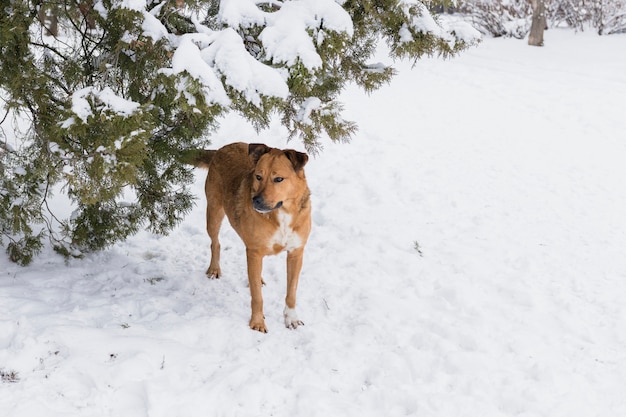
Understanding the causes behind these seasonal dangers can help you protect your pet before problems arise. Slippery sidewalks and driveways are a leading source of pet injuries in Fishers and surrounding communities during late fall. As temperatures dip, morning frost and early snow can quickly turn familiar walking routes into treacherous paths for curious paws. Dogs and cats may dash across icy patches, resulting in sprains, torn nails, or even more serious fractures.
Another frequent risk is chemical exposure. Ice-melt salts and antifreeze are commonly used in central Indiana during November to combat frost and slick surfaces. These substances may contain harmful chemicals like sodium chloride, calcium chloride, or ethylene glycol, which can irritate paws, cause burns, or even lead to life-threatening poisoning if licked off fur or ingested during grooming. According to poison control organizations, accidental ingestion of deicers is a growing concern for Indiana pet winter safety.
Prolonged exposure to the cold, damp weather is particularly dangerous for puppies, senior pets, and those with thin coats or underlying medical conditions. Even a few minutes outside in chilly wind or wet snow can lower a pet’s body temperature, leading to hypothermia or frostbite. Pay special attention to breeds that are not naturally adapted to cold weather, as well as small dogs and cats that may have trouble retaining body heat.
How Indiana Emergency Vets Treat Cold Weather Pet Injuries
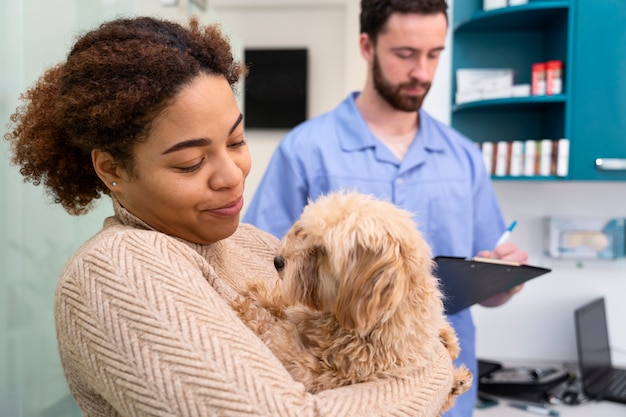
When a cold weather injury or illness occurs, immediate veterinary attention is crucial. At VetCheck Pet Urgent Care Center - Fishers, our veterinary team is equipped to diagnose and stabilize a wide range of cold weather pet injuries in Fishers. For slip and fall injuries, we begin with a careful physical examination and may recommend in-house diagnostics such as digital X-rays to assess for fractures, sprains, or soft tissue damage. If your pet is limping, unable to bear weight, or clearly in pain, our veterinarians can provide pain relief, splinting, or even surgical intervention if necessary.
Chemical burns or suspected poisoning from ice melts or antifreeze exposure require fast action. Our team may induce vomiting, administer activated charcoal, or provide intravenous fluids and antidotes depending on the substance involved. We also offer toxicology and pet poison control services to manage these emergencies, and we coordinate closely with national poison helplines as needed.
For pets with signs of hypothermia, such as shivering, lethargy, or cold extremities, we use gentle warming techniques and monitor body temperature closely. Hospitalization may be recommended for severe cases, with supportive care including warmed IV fluids, oxygen therapy, and observation for complications. Our urgent care approach means we act quickly to stabilize your pet and keep you informed every step of the way. If your pet’s symptoms involve difficulty breathing or sudden collapse, our emergency veterinary care services in Fishers are available without delay—walk-ins are always welcome, and our veterinarians are ready to help when your regular vet is closed.
Protecting Your Pet: Home Strategies for Indiana Pet Winter Safety
While some cold weather risks are unpredictable, many injuries are preventable with a few simple precautions. Before heading outside, inspect your yard and walking routes for icy patches or hidden hazards, and consider using pet-safe ice melts to reduce chemical exposure. Wipe your pet’s paws, legs, and belly thoroughly after walks to remove any salt or chemicals, and check for cracks or redness on paw pads. Investing in booties or paw balms can add an extra layer of protection, especially for dogs prone to irritation.
Limiting time outdoors during the coldest parts of the day, especially for young, elderly, or short-haired pets, can help prevent hypothermia. Dress your dog in a well-fitted sweater or coat if they are sensitive to cold, and always provide a warm, dry place to rest indoors. Encourage regular movement and gentle play inside to keep joints limber and spirits high during long stretches of chilly weather.
If your pet has a history of lameness or joint discomfort, ask your veterinarian about supportive supplements or safe pain relief options. For those living in Fishers and surrounding communities, it’s wise to have the contact information for an urgent care vet near you handy, just in case you need immediate help. Keep an eye out for signs of upper respiratory distress, such as persistent coughing or nasal discharge, and avoid crowded dog parks during the colder months to reduce the risk of contagious illnesses.
When to Visit an Emergency Vet in Fishers for Cold Weather Injuries
Knowing when to seek professional help can mean the difference between a minor issue and a serious emergency. You should bring your pet to an urgent care or emergency veterinarian near you if they display persistent limping, yelping in pain, or cannot walk after a slip or fall. Any swelling, obvious deformity, or bleeding from the paws, legs, or nails also requires prompt evaluation. If your pet has ingested ice melt, antifreeze, or any unknown substance, do not wait for symptoms to appear—these chemicals can cause rapid and severe illness, so immediate veterinary care is critical.
Other situations that demand urgent attention include severe shivering that does not stop after coming indoors, pale or blue-tinged gums, sudden collapse, or labored breathing. Exposure to cold weather can lead to hidden complications, especially in at-risk pets, so err on the side of caution and visit a 24-hour vet near you when in doubt.
At VetCheck Pet Urgent Care Center - Fishers, we routinely manage a variety of cold weather pet injuries in Fishers and can provide the rapid, compassionate care your pet needs—no appointment necessary. Our team is available during evenings, weekends, and holidays, ensuring you always have somewhere to turn when your regular vet is unavailable. For less urgent concerns or to learn more about seasonal risks, you can also read our educational veterinary blog for additional tips and insights.
Take Action: Keep Your Pet Safe This November in Fishers
As Indiana’s November weather brings chilly winds and slippery surfaces, being prepared is the best way to keep your pet happy and healthy. Watch for early signs of injury or illness, use pet-safe products, and limit outdoor exposure during extreme conditions. If you ever worry that your pet may have experienced a cold weather pet injury in Fishers or the surrounding communities, remember that VetCheck Pet Urgent Care Center - Fishers is here for you. Walk-ins are always welcome, and no appointment is needed—so you never have to hesitate when every minute counts.
If you need immediate help or have questions about Indiana pet winter safety, call us at (317) 572-7557, visit our Fishers location, or consult our emergency and urgent veterinary care services page to learn how we can assist. Our dedicated veterinary professionals are always ready to provide the fast, expert care your pet deserves, giving you peace of mind all season long. If you are searching for an emergency vet near me in Fishers, know that support is just around the corner—because your pet’s wellbeing is our top priority, every day of the year.
This blog is for informational purposes only and should not replace professional veterinary advice. If your pet is experiencing a medical emergency, seek immediate veterinary care.